What window tint percentages actually look like (a VLT guide)
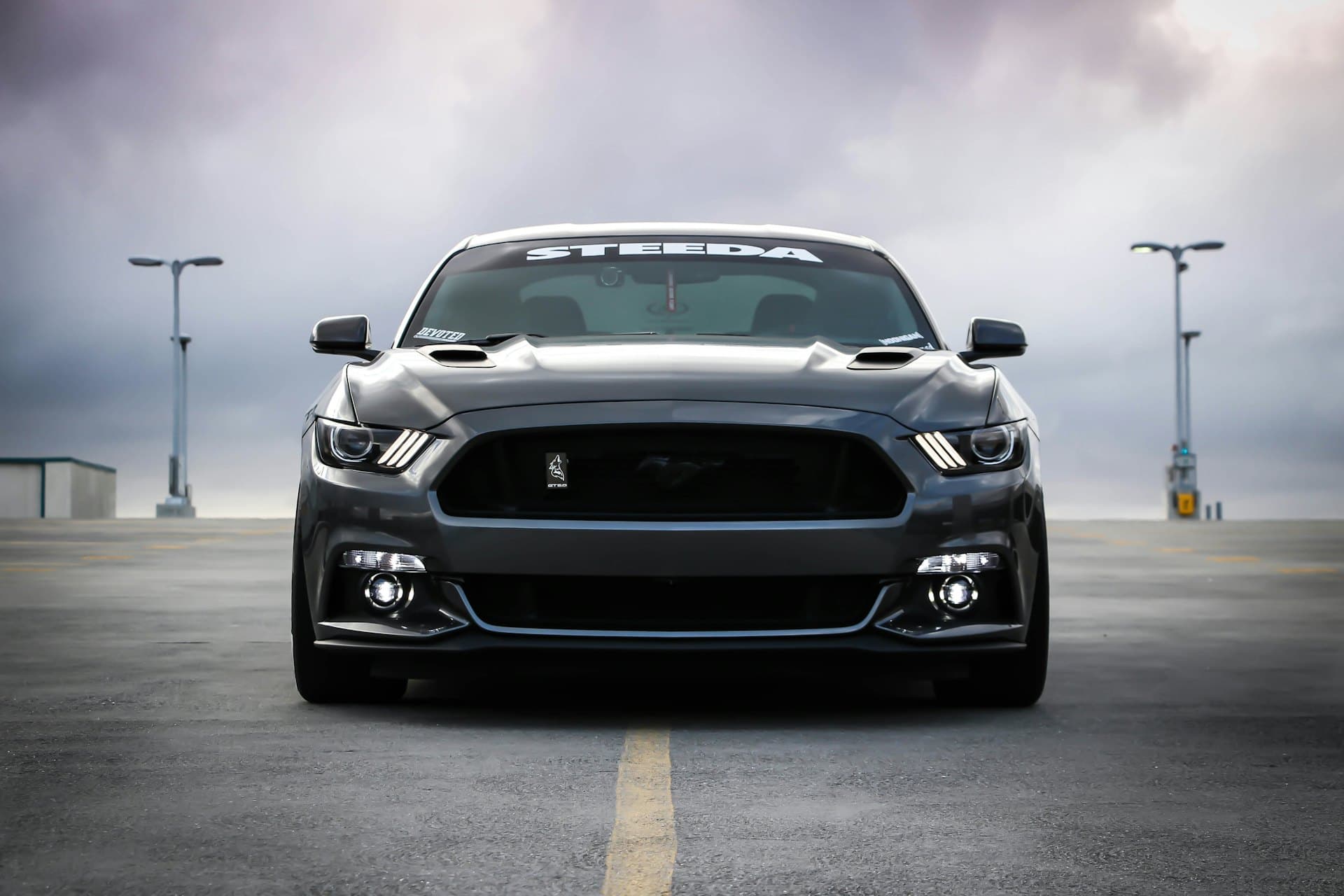
5%, 20%, 35%, 50%. VLT numbers confuse everyone. Here is what each tint percentage looks like, what it does, and how to choose a shade you will not get ticketed for.
Tint shade is measured as VLT, visible light transmittance: the percentage of light the window lets through. Lower number, darker window. A 5% film lets through 5% of the light, which is very dark. A 50% film lets through half, which is light. The confusion is that the number runs backwards from how people think about it.
The common shades, in plain terms
50% VLT
Barely looks tinted. You can see in easily. Its job is comfort, not privacy: it cuts UV and, in a ceramic film, real heat, while keeping the glass looking almost factory. A good choice for a windshield strip or for someone who wants protection without a visible change.
35% VLT
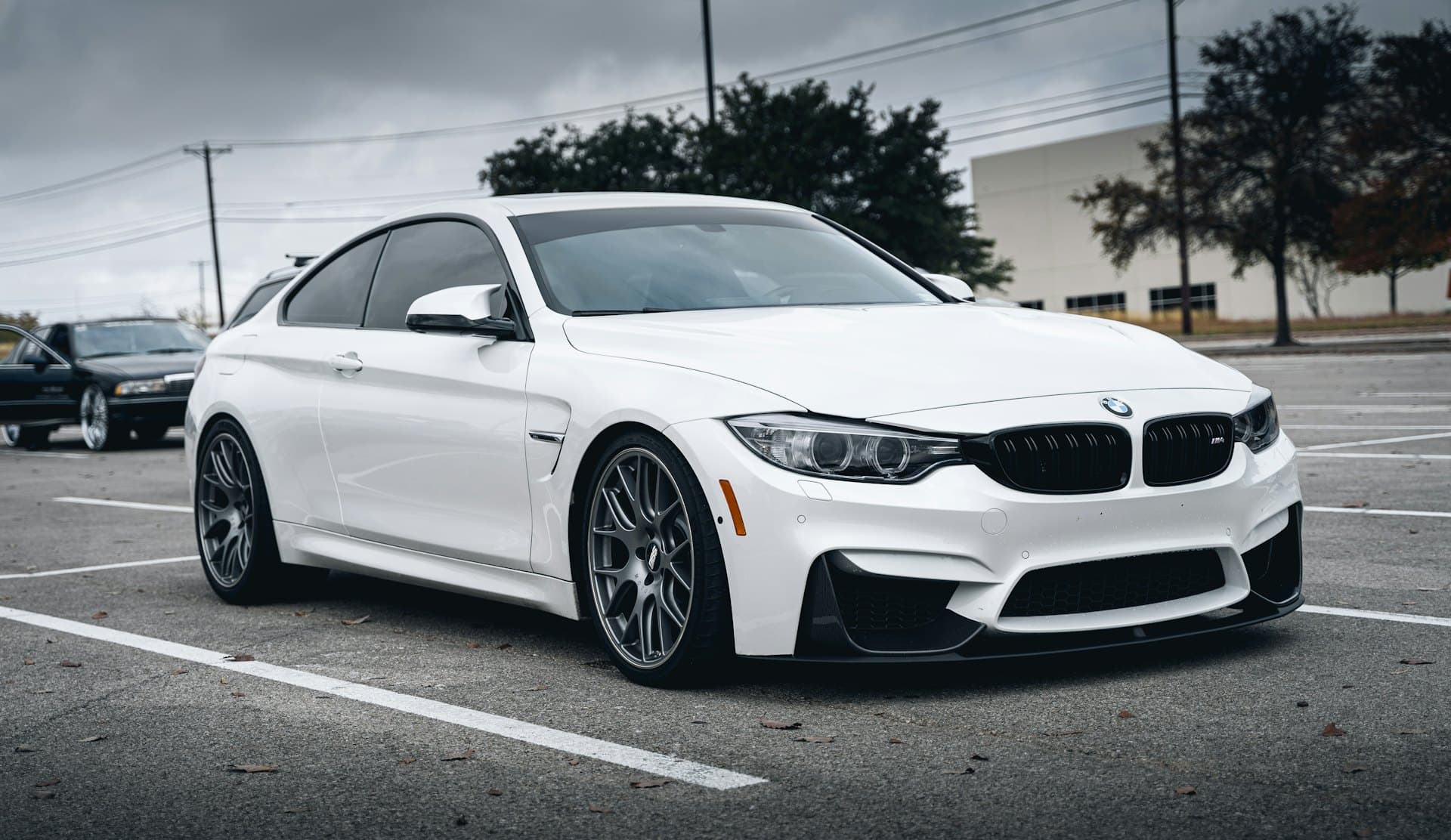
The most popular all-round shade. A clear, clean tint that you can still see through from outside in daylight. It reads as a finished, intentional look without going aggressive, and in most regions it keeps the front windows on the right side of the law. If you are not sure what you want, 35% is usually the answer.
20% VLT
Noticeably dark. Good privacy in the back, still see-through enough up front in daylight. This is a common choice for rear glass when someone wants privacy back there but a lighter shade on the fronts.
5% VLT (limo)
Very dark. You cannot see in. It is almost always rear-glass only, because 5% on the front windows is illegal nearly everywhere and genuinely hard to see out of at night. Used for privacy on the back of SUVs and for a blacked-out rear look.
Dark does not mean cool
Here is the thing most people get wrong: a darker window does not automatically reject more heat. Heat rejection comes from the film material, not the shade. A 35% ceramic film can reject far more heat than a 20% dyed film. So if your goal is a cooler cabin, do not just go darker; choose a better film and a legal shade.
The legal part
VLT limits vary by region and by which window, and the front windows are almost always more restricted than the rear. We advise on the legal limit where you drive and tint to a shade you will not get pulled over for. A ticket and a forced removal cost more than getting the shade right the first time.
Window Tinting at Canvas
Ceramic and carbon film that cuts heat, glare, and UV without darkening your view of the road.